
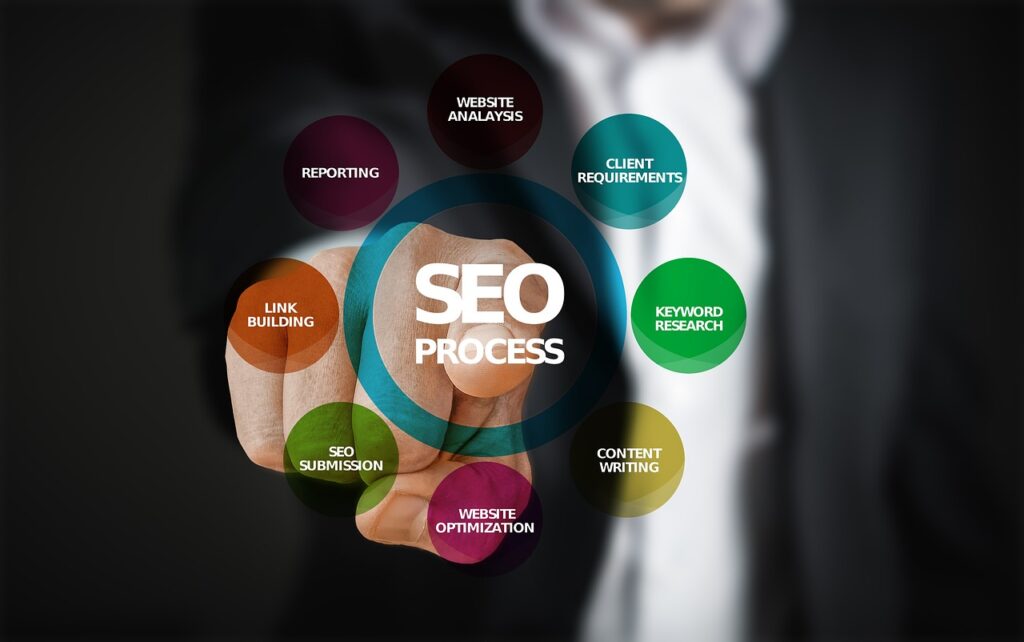
SEO isn’t dead—but many strategies that worked 2-3 years ago are. Google’s algorithms have evolved dramatically, AI has changed search behavior, and user expectations have skyrocketed. The old playbook of keyword stuffing, mass link buying, and thin content doesn’t just fail anymore—it can get you penalized.
Yet, businesses are still winning massive organic traffic. Some are seeing 200%, 300%, even 500% increases in search visibility. The difference? They’ve adapted to what actually works in 2025.
At Katronix Technologies, we’ve spent 12+ years optimizing hundreds of websites for search engines. We’ve weathered every algorithm update, tested every new strategy, and tracked what genuinely moves the needle. We’ve helped businesses go from page 5 obscurity to page 1 dominance—and we’ve seen what separates winners from losers in modern SEO.
This comprehensive guide reveals the SEO strategies that are actually working right now in 2025—backed by real data, proven results, and honest insights about what you should (and shouldn’t) be doing.
The SEO Landscape in 2025
What’s Changed (And Why It Matters)
AI-Powered Search:
- Google’s AI (SGE – Search Generative Experience) now appears in 15-25% of searches
- Zero-click searches increased to 58.5%
- Featured snippets and AI answers reduce traditional organic clicks
- Voice search represents 50%+ of searches
User Experience Signals:
- Core Web Vitals are ranking factors
- Page experience affects 20-30% of ranking determination
- Mobile-first indexing is mandatory
- User engagement metrics heavily weighted
Content Quality Bar:
- AI content detection is sophisticated
- Thin, generic content penalized heavily
- E-E-A-T (Experience, Expertise, Authoritativeness, Trustworthiness) critical
- Depth and originality rewarded
Technical Requirements:
- Site speed non-negotiable (<3 seconds)
- Mobile optimization mandatory
- HTTPS required (not optional)
- Structured data increasingly important
What Still Works (And What Doesn’t)
❌ DOESN’T WORK ANYMORE:
- Keyword stuffing and exact-match overuse
- Low-quality backlink schemes
- Duplicate or spun content
- Hidden text or cloaking
- Doorway pages
- Generic AI-generated content without human oversight
- Article spinning
- Link farms and PBNs (Private Blog Networks)
✅ WORKS IN 2025:
- High-quality, in-depth content
- User-focused optimization
- Natural, relevant backlinks
- Technical excellence
- Topic authority and expertise
- Semantic keyword targeting
- Multi-format content (text, video, images, interactive)
- User experience optimization
- Local SEO (for local businesses)
Strategy 1: Dominate with Topic Authority (Not Just Keywords)
The Shift from Keywords to Topics
Google no longer ranks individual pages in isolation—it evaluates your entire site’s authority on a topic.
Old Approach (Doesn’t Work):
- Target “digital marketing services”
- Create one page
- Hope it ranks
New Approach (Works):
- Establish comprehensive topic authority
- Create content clusters
- Link strategically
- Demonstrate expertise across entire subject
Building Topic Clusters
The Hub-and-Spoke Model:
Pillar Page (Hub):
- Comprehensive guide on main topic
- 3,000-5,000+ words
- Covers topic broadly
- Links to all cluster content
Cluster Content (Spokes):
- 8-15 detailed articles
- Each covers specific subtopic
- 1,500-2,500+ words each
- Links back to pillar and to each other
Example: “Digital Marketing” Topic Cluster
Pillar Page: “The Complete Guide to Digital Marketing” (4,500 words)
Cluster Content:
- “SEO Strategies That Actually Work in 2025” (2,800 words)
- “Social Media Marketing: A Data-Driven Approach” (2,400 words)
- “Email Marketing Best Practices” (2,200 words)
- “Content Marketing ROI: How to Measure Success” (2,600 words)
- “PPC Advertising: Complete Guide” (2,500 words)
- “Marketing Automation: Implementation Guide” (2,300 words)
- “Video Marketing Strategy” (2,100 words)
- “Influencer Marketing in 2025” (2,000 words)
- “Conversion Rate Optimization” (2,700 words)
- “Marketing Analytics and Reporting” (2,400 words)
Internal Linking:
- Pillar → All clusters
- Clusters → Pillar
- Clusters → Related clusters
- Use descriptive anchor text
Results:
- 3-6 months: Pillar page ranks for main keyword
- 6-12 months: Cluster pages rank for long-tail keywords
- 12+ months: Domain authority for entire topic
- Overall organic traffic increase: 200-400%
Implementation Checklist
Step 1: Topic Research (Week 1-2)
- [ ] Identify your main topic (what you’re expert in)
- [ ] Research related subtopics (Google “People Also Ask,” Reddit, forums)
- [ ] Map customer journey and questions
- [ ] Analyze competitor topic coverage
- [ ] Identify content gaps
Step 2: Content Planning (Week 3)
- [ ] Outline pillar page structure
- [ ] List 8-15 cluster topics
- [ ] Prioritize by search volume and relevance
- [ ] Create content calendar
- [ ] Assign word counts
Step 3: Content Creation (Weeks 4-20)
- [ ] Write pillar page first (most comprehensive)
- [ ] Create cluster content (1-2 per week)
- [ ] Ensure depth and quality
- [ ] Include data, examples, visuals
- [ ] Add internal links
Step 4: Optimization (Week 21-24)
- [ ] Optimize meta titles and descriptions
- [ ] Add schema markup
- [ ] Optimize images (alt text, compression)
- [ ] Ensure mobile responsiveness
- [ ] Check page speed
Strategy 2: Optimize for User Experience & Core Web Vitals
Why UX Affects Rankings
Google’s algorithm directly measures user experience through:
- Page load speed
- Interactivity responsiveness
- Visual stability
- Mobile usability
- Secure browsing (HTTPS)
Data: Sites that pass Core Web Vitals see 24% lower abandonment rates and rank 15-30 positions higher on average.
The Three Core Web Vitals
1. Largest Contentful Paint (LCP)
What It Measures: Loading performance (how fast main content appears)
Target: < 2.5 seconds Acceptable: 2.5-4 seconds Poor: > 4 seconds
How to Improve:
- Optimize images (WebP format, compression, lazy loading)
- Minimize server response time (quality hosting)
- Use Content Delivery Network (CDN)
- Eliminate render-blocking resources
- Prioritize critical CSS
Quick Wins:
- Compress images: 50-80% file size reduction
- Enable browser caching: 30-50% faster repeat visits
- Minify CSS/JavaScript: 15-25% faster loading
- CDN implementation: 40-60% faster global load times
2. First Input Delay (FID) / Interaction to Next Paint (INP)
What It Measures: Interactivity (how quickly page responds to user actions)
Target: < 100ms (FID) / < 200ms (INP)
How to Improve:
- Minimize JavaScript execution
- Break up long tasks
- Use web workers for heavy computations
- Implement code splitting
- Defer non-critical JavaScript
3. Cumulative Layout Shift (CLS)
What It Measures: Visual stability (unexpected layout shifts)
Target: < 0.1 Acceptable: 0.1-0.25 Poor: > 0.25
How to Improve:
- Set size attributes on images and videos
- Reserve space for ads
- Avoid inserting content above existing content
- Use CSS aspect ratio boxes
- Preload fonts
Beyond Core Web Vitals
Mobile Optimization:
- Responsive design (not separate mobile site)
- Touch-friendly buttons (44×44 pixels minimum)
- Readable text without zooming (16px minimum)
- No horizontal scrolling
- Fast mobile loading (<3 seconds)
Security:
- HTTPS (SSL certificate) required
- Regular security updates
- Secure payment processing
- Privacy policy visible
Navigation & Structure:
- Clear, intuitive navigation
- Breadcrumbs for complex sites
- Internal search functionality
- Logical URL structure
- 3-click rule (any page reachable in 3 clicks)
Engagement Metrics (Indirect ranking factors):
- Low bounce rate (<50%)
- High dwell time (2+ minutes)
- Pages per session (3+)
- Return visitors
Strategy 3: Create Content That Matches Search Intent
Understanding the 4 Types of Search Intent
1. Informational Intent (70-80% of searches)
User Goal: Learn something, find information
Keywords: “how to,” “what is,” “guide,” “tutorial,” “tips,” “best practices”
Content Type:
- Comprehensive guides
- How-to tutorials
- Listicles (“10 ways to…”)
- Educational blog posts
- Videos and infographics
Example: “How to optimize website speed”
Content Structure:
- Step-by-step instructions
- Clear explanations
- Visual aids
- Examples and case studies
- Actionable takeaways
2. Navigational Intent (5-10% of searches)
User Goal: Find specific website or page
Keywords: Brand names, specific products, “login,” “[brand] website”
Content Type:
- Homepage optimization
- Clear branding
- Easy navigation
- Search functionality
Example: “Facebook login,” “Nike shoes”
Optimization:
- Strong brand presence
- Clear site structure
- Accurate business information
- Schema markup
3. Commercial Investigation (10-15% of searches)
User Goal: Research before buying, compare options
Keywords: “best,” “top,” “review,” “comparison,” “vs,” “alternative”
Content Type:
- Product reviews
- Comparison guides
- “Best of” lists
- Case studies
- Buyer’s guides
Example: “best project management software,” “Asana vs Monday.com”
Content Structure:
- Detailed comparisons
- Pros and cons
- Use cases
- Pricing information
- Honest recommendations
4. Transactional Intent (5-10% of searches)
User Goal: Make purchase or take action
Keywords: “buy,” “price,” “order,” “download,” “signup,” “near me”
Content Type:
- Product pages
- Service pages
- Landing pages
- Pricing pages
- Local business pages
Example: “buy iPhone 15,” “web design services,” “pizza delivery near me”
Optimization:
- Clear value proposition
- Strong CTAs
- Trust signals (reviews, guarantees)
- Easy conversion process
- Local SEO (for “near me”)
Matching Content to Intent
Keyword Research Process:
- Identify keywords (Google Keyword Planner, SEMrush, Ahrefs)
- Analyze search intent (Google the keyword, see what ranks)
- Study SERP features (featured snippets, people also ask, images, videos)
- Examine top-ranking content (format, depth, angle)
- Create better content (more comprehensive, better organized, more visual)
Intent Mismatch = Ranking Failure:
- Transactional keyword + informational content = Won’t rank
- Informational keyword + product page = Won’t rank
- Match intent perfectly = Better rankings
Strategy 4: Earn High-Quality Backlinks (The Right Way)
Why Backlinks Still Matter
Despite rumors, backlinks remain a top-3 ranking factor. But quality matters exponentially more than quantity.
The Data:
- Pages with backlinks rank 10x higher than pages without
- Backlink quality is 5x more important than quantity
- 1 authoritative backlink > 100 low-quality backlinks
- Natural link velocity (steady growth) signals authority
What Makes a Quality Backlink?
High-Quality Backlink Characteristics:
- From authoritative domain (DR 50+)
- Relevant to your industry/topic
- Natural, contextual placement
- Editorial (not paid or exchanged)
- Dofollow (passes link equity)
- From page with its own backlinks
- Unique referring domain (not multiple from same site)
Low-Quality/Toxic Backlinks:
- Link farms or PBNs
- Irrelevant sites
- Spammy directories
- Comment spam
- Purchased links (Google can detect)
- Exact-match anchor text overuse
- Links from penalized sites
Link Building Strategies That Work in 2025
1. Create Linkable Assets
High-Value Content That Earns Links:
Original Research & Data:
- Industry surveys
- Original statistics
- Case studies with data
- Annual reports
- Benchmark studies
Example: “2025 E-commerce Conversion Rate Benchmarks” Result: 50-200+ natural backlinks
Visual Content:
- Infographics
- Interactive tools
- Data visualizations
- Templates
- Calculators
Example: “ROI Calculator for Digital Marketing” Result: 30-100+ backlinks
Comprehensive Guides:
- Ultimate guides (5,000+ words)
- Step-by-step tutorials
- Resource lists
- Glossaries
Example: “The Complete Guide to SEO in 2025” Result: 25-75+ backlinks
2. Digital PR & Journalist Outreach
Strategy: Help journalists by being a source for articles.
Platforms:
- HARO (Help A Reporter Out)
- Terkel
- Featured
- SourceBottle
Process:
- Monitor relevant queries daily
- Respond with expert insights
- Include credentials
- Provide data/quotes
- Follow up professionally
Time Investment: 30-60 minutes daily Results: 2-5 high-authority backlinks monthly Domain Authority: DR 70-90+ publications
3. Broken Link Building
Strategy: Find broken links on relevant sites, suggest your content as replacement.
Process:
- Find relevant sites in your niche
- Use tools to find broken links (Ahrefs, Check My Links)
- Create content that matches broken link topic
- Reach out to site owner
- Politely suggest your content as replacement
Email Template:
Hi [Name],

I was researching [topic] and found your excellent article: [URL]

I noticed a broken link to [broken resource]. I recently published a comprehensive guide on [topic] that might be a good replacement:

[Your URL]

Either way, thanks for the great content!

Best,
[Your Name]
Success Rate: 5-15% Quality: High (relevant, contextual links)
4. Guest Posting (Done Right)
⚠️ Warning: Low-quality guest posting is penalized. Do it right or don’t do it.
Right Way:
- Target high-authority, relevant sites
- Create exceptional, original content
- Provide genuine value to their audience
- Natural, contextual link (not forced)
- Author bio link acceptable
Wrong Way:
- Guest post services ($50 for 10 posts)
- Irrelevant sites
- Thin, promotional content
- Keyword-stuffed anchor text
- Multiple links in content
Process:
- Identify authoritative sites (DR 50+) in your industry
- Study their content guidelines
- Pitch unique, valuable topic ideas
- Write exceptional content (2,000+ words)
- Include 1-2 natural, relevant links
- Build genuine relationship
Time Investment: 8-12 hours per post Quality: High Frequency: 1-2 per month maximum
5. Unlinked Brand Mentions
Strategy: Find mentions of your brand without links, ask for link addition.
Tools:
- Google Alerts
- Brand24
- Mention
- Ahrefs Content Explorer
Process:
- Set up brand monitoring
- Identify unlinked mentions
- Reach out politely
- Request link addition
Email Template:
Hi [Name],

Thanks for mentioning [Your Brand] in your article about [topic]!

Would you mind adding a link to our website [URL] so readers can learn more?

Appreciate it!
[Your Name]
Success Rate: 30-50% Effort: Low Quality: High
6. Resource Page Link Building
Strategy: Get listed on relevant resource/links pages.
Finding Resource Pages:
- “[topic] resources”
- “[topic] useful links”
- “[topic] tools”
- “best [topic] websites”
Process:
- Search for resource pages in your niche
- Ensure your content is worthy of inclusion
- Reach out with personalized pitch
- Explain why your resource adds value
Success Rate: 10-25% Quality: Medium to High
Link Building Don’ts
Never:
- Buy links (Google detects and penalizes)
- Participate in link schemes
- Use exact-match anchor text excessively
- Get links from irrelevant sites
- Use automated link building tools
- Create doorway pages
- Use link farms or PBNs
Natural Link Profile:
- 70-80% branded anchor text
- 10-15% naked URLs
- 5-10% generic (“click here,” “learn more”)
- 5-10% partial match keywords
- Natural link velocity (steady growth)
- Diverse referring domains
- Mix of dofollow and nofollow
Strategy 5: Leverage AI-Powered Search & Featured Snippets
Optimizing for AI Overviews (Google SGE)
The Change: Google now shows AI-generated summaries for many queries.
Impact:
- Reduces clicks to traditional results
- BUT: Sources cited in AI overview get traffic
- Goal: Be cited by AI
How to Get Cited:
1. Answer Questions Directly:
- Use clear, concise answers
- Put answer near top of content
- Use structured format
- Include context and detail
2. Use Structured Data:
- FAQ schema
- How-To schema
- Article schema
- Organization schema
3. Format for Easy Extraction:
- Short paragraphs (2-3 sentences)
- Bullet points for lists
- Clear headers
- Definition boxes
Example Structure:
## What is SEO?

SEO (Search Engine Optimization) is the practice of optimizing your website to rank higher in search engine results pages (SERPs). It involves technical improvements, content optimization, and building authority through backlinks.

Key components include:
- On-page optimization (content, meta tags, structure)
- Technical SEO (site speed, mobile-friendliness, indexing)
- Off-page SEO (backlinks, brand mentions, social signals)

[Continue with detailed explanation...]
Winning Featured Snippets
Featured Snippet Types:
Paragraph Snippets (50% of snippets):
- Direct answer to question
- 40-60 words optimal
- Clear, concise explanation
List Snippets (36% of snippets):
- Numbered lists (steps, rankings)
- Bulleted lists (items, features)
- 5-8 items optimal
Table Snippets (14% of snippets):
- Comparison data
- Specifications
- Pricing
- Statistics
Video Snippets:
- YouTube videos
- Step-by-step tutorials
- How-to content
Optimization Strategy:
Step 1: Find Snippet Opportunities
- Identify keywords you rank #2-#10 for
- Check if snippet exists
- Analyze current snippet format
- Create better answer
Step 2: Format for Snippets
- Use question as H2 header
- Provide concise answer immediately
- Use appropriate format (paragraph, list, table)
- Expand with details below
Step 3: Target “People Also Ask”
- Answer related questions in content
- Use Q&A format
- Implement FAQ schema
Results:
- Featured snippets get 35% of clicks
- Position #1 without snippet gets 19% of clicks
- Snippet = 2x traffic of position #1
Strategy 6: Master Local SEO (For Local Businesses)
Google Business Profile Optimization
Critical for Local Rankings: Google Business Profile (formerly Google My Business) is the #1 local ranking factor.
Complete Optimization Checklist:
Basic Information:
- [ ] Business name (exact legal name)
- [ ] Complete address (accurate, consistent)
- [ ] Phone number (local, consistent)
- [ ] Website URL
- [ ] Business category (primary + up to 9 additional)
- [ ] Business hours (including special hours)
- [ ] Service areas (if applicable)
Enhanced Information:
- [ ] Business description (750 characters, keyword-rich)
- [ ] Attributes (women-owned, veteran-owned, etc.)
- [ ] Services list (detailed)
- [ ] Products (with photos and prices)
- [ ] Opening date
- [ ] Payment methods
Visual Content:
- [ ] Logo (high resolution)
- [ ] Cover photo (720×720 minimum)
- [ ] Interior photos (minimum 3)
- [ ] Exterior photos (minimum 2)
- [ ] Team photos
- [ ] Product/service photos (ongoing)
- [ ] 360° virtual tour (if possible)
Upload new photos weekly – Businesses with 100+ photos get 520% more calls and 2.7x more direction requests.
Reviews & Engagement:
- [ ] Enable messaging
- [ ] Respond to ALL reviews (positive and negative)
- [ ] Ask customers for reviews
- [ ] Post updates weekly
- [ ] Answer Q&A section
- [ ] Upload videos
Data: Businesses that respond to reviews get 35% more clicks and rank higher.
Local Content Strategy
Create Location-Specific Content:
City/Neighborhood Pages:
- Unique content for each location
- Local landmarks and information
- Service area coverage
- Local testimonials
- Embedded map
Example: “Web Design Services in Downtown Austin”
Local Blog Posts:
- Local events coverage
- Community involvement
- Local partnerships
- Area guides
- Neighborhood spotlights
Local Landing Pages:
- Service + Location combination
- “Plumbing Services in [City]”
- Unique content (not duplicated)
- Local schema markup
Local Citations & NAP Consistency
NAP: Name, Address, Phone number
Critical: Must be identical across all platforms.
Key Citation Sources:
- Google Business Profile
- Bing Places
- Yelp
- Yellow Pages
- Apple Maps
- Industry-specific directories
- Local chambers of commerce
- BBB (Better Business Bureau)
Citation Building:
- Aim for 50-100 quality citations
- Prioritize local and industry-specific sites
- Ensure NAP consistency everywhere
- Include website URL
- Use full address format
Tools for Citation Management:
- Moz Local
- BrightLocal
- Yext
- Whitespark
Local Link Building
Community Involvement:
- Sponsor local events
- Partner with local businesses
- Join local chambers
- Support local charities
- Host community events
Result: Local news coverage, organization links, community site mentions.
Local PR:
- Local news outlets
- Community blogs
- Local publications
- Industry associations
- Chamber of commerce
Local Ranking Factors
Top 3 Factors:
- Google Business Profile (25% of ranking)
- Reviews (15% of ranking)
- On-page optimization (14% of ranking)
Other Important Factors:
- Local citations (10%)
- Backlinks (10%)
- Social signals (6%)
- Personalization (5%)
- Behavioral signals (5%)
Strategy 7: Technical SEO Excellence
Site Structure & Architecture
URL Structure:
- Clean, descriptive URLs
- Include target keyword
- Use hyphens (not underscores)
- Keep short (3-5 words)
- Avoid parameters when possible
Good: example.com/seo-strategies-2025 Bad: example.com/page?id=12345&cat=seo
Site Hierarchy:
Homepage
├── Category 1
│   ├── Subcategory 1.1
│   │   ├── Page 1.1.1
│   │   └── Page 1.1.2
│   └── Subcategory 1.2
└── Category 2
    └── Subcategory 2.1
Best Practices:
- Maximum 3-4 levels deep
- Clear, logical organization
- Every page reachable in 3 clicks
- Breadcrumb navigation
- XML sitemap
XML Sitemap Optimization
What to Include:
- All important pages
- Priority tags (0.1-1.0)
- Change frequency
- Last modified dates
What to Exclude:
- Duplicate content
- Admin pages
- Thank you pages
- Noindex pages
- Low-value pages
Submit to:
- Google Search Console
- Bing Webmaster Tools
Robots.txt Configuration
Purpose: Tell search engines what to crawl
Example:
User-agent: *
Disallow: /admin/
Disallow: /cart/
Disallow: /checkout/
Disallow: /account/
Allow: /

Sitemap: https://example.com/sitemap.xml
Schema Markup (Structured Data)
Why It Matters: Helps search engines understand content, enables rich snippets.
Essential Schema Types:
Organization Schema:
- Company information
- Logo
- Social profiles
- Contact information
Local Business Schema:
- Address
- Hours
- Price range
- Payment methods
- Service areas
Article Schema:
- Headline
- Author
- Date published
- Featured image
Product Schema:
- Name
- Price
- Availability
- Reviews
- Rating
FAQ Schema:
- Questions and answers
- Enables FAQ rich snippets
How-To Schema:
- Step-by-step instructions
- Tools needed
- Total time
Review Schema:
- Rating
- Review count
- Best rating
Implementation:
- JSON-LD format (Google-recommended)
- Place in <head> section
- Test with Google Rich Results Test
- Monitor in Search Console
Mobile Optimization
Mobile-First Indexing: Google uses mobile version for ranking.
Requirements:
- Responsive design
- Fast mobile loading (<3 seconds)
- Touch-friendly elements
- Readable text (16px minimum)
- No horizontal scrolling
- Adequate spacing between elements
Test:
- Google Mobile-Friendly Test
- PageSpeed Insights mobile score
- Real device testing
International SEO (If Applicable)
Hreflang Tags: Tell Google which language/region version to show.
Example:
<link rel="alternate" hreflang="en-us" href="https://example.com/en-us/" />
<link rel="alternate" hreflang="en-gb" href="https://example.com/en-gb/" />
<link rel="alternate" hreflang="es" href="https://example.com/es/" />
URL Structure Options:
- Subdomain:
uk.example.com - Subdirectory:
example.com/uk/ - ccTLD:
example.co.uk
Strategy 8: Content Optimization Best Practices
On-Page SEO Checklist
Title Tag (Most important on-page factor):
- Include primary keyword near beginning
- Keep under 60 characters
- Make compelling (encourage clicks)
- Unique for every page
Example: “SEO Strategies That Actually Work in 2025 | Katronix”
Meta Description:
- Include primary keyword
- 150-160 characters
- Compelling call-to-action
- Unique for every page
- Doesn’t directly affect rankings but improves CTR
Example: “Discover proven SEO strategies working in 2025. Learn tactics that drive 200-500% traffic increases. Real data, zero fluff. Get started today.”
Header Tags (H1-H6):
- One H1 per page (main title)
- Include primary keyword in H1
- Use H2s for main sections
- Use H3s for subsections
- Logical hierarchy
- Include secondary keywords in H2s
Content Optimization:
- Primary keyword in first 100 words
- Natural keyword usage (2-3% density)
- Use semantic keywords (related terms)
- Long-form content (2,000+ words for competitive topics)
- Break up with subheadings every 300 words
- Use bullet points and lists
- Include images and videos
- Add internal links (3-5 per 1,000 words)
- Add external links to authority sources
Image Optimization:
- Descriptive file names (
seo-strategies.jpgnotIMG_1234.jpg) - Alt text with keywords (but descriptive)
- Compress images (WebP format, <100KB)
- Proper dimensions (don’t let browser resize)
- Lazy loading for below-fold images
URL Optimization:
- Include target keyword
- Keep short (3-5 words)
- Use hyphens
- Lowercase only
- No special characters
Internal Linking:
- Link to related content
- Use descriptive anchor text
- Minimum 3-5 internal links per page
- Prioritize important pages
- Create content hubs
Strategy 9: Measure, Analyze, Optimize
Essential Tools Setup
Google Search Console:
- Monitor search performance
- Track impressions and clicks
- Identify ranking opportunities
- Submit sitemaps
- Check for errors and issues
Google Analytics 4:
- Track traffic sources
- Monitor user behavior
- Measure conversions
- Analyze page performance
- Track engagement metrics
Keyword Tracking:
- SEMrush
- Ahrefs
- Moz Pro
- Track rankings weekly
- Monitor competitors
Technical SEO Tools:
- Screaming Frog (crawl analysis)
- PageSpeed Insights (speed testing)
- GTmetrix (performance monitoring)
- Google Rich Results Test (schema validation)
Key Metrics to Track
Organic Traffic Metrics:
- Total organic sessions (month-over-month growth)
- Organic traffic by landing page
- New vs. returning visitors
- Traffic from target keywords
Ranking Metrics:
- Average position for target keywords
- Number of ranking keywords (top 3, top 10, top 50)
- Featured snippet wins
- SERP feature appearances
Engagement Metrics:
- Bounce rate (<50% is good)
- Average session duration (2+ minutes)
- Pages per session (2.5+)
- Scroll depth
Conversion Metrics:
- Organic conversion rate
- Goal completions from organic
- Revenue from organic (e-commerce)
- Lead quality from organic
Technical Metrics:
- Page load time
- Core Web Vitals scores
- Mobile usability issues
- Crawl errors
- Index coverage
Monthly SEO Audit Checklist
Performance Review:
- [ ] Check organic traffic trends
- [ ] Review ranking changes
- [ ] Analyze top-performing content
- [ ] Identify declining pages
Technical Health:
- [ ] Run site crawl (Screaming Frog)
- [ ] Check for broken links
- [ ] Review page speed scores
- [ ] Verify mobile usability
- [ ] Check for indexation issues
Content Analysis:
- [ ] Identify thin content
- [ ] Update outdated content
- [ ] Find cannibalization issues
- [ ] Review top exit pages
Backlink Profile:
- [ ] Review new backlinks
- [ ] Identify toxic links
- [ ] Disavow spammy links
- [ ] Track competitor backlinks
Competitive Analysis:
- [ ] Monitor competitor rankings
- [ ] Analyze their new content
- [ ] Review their backlink strategy
- [ ] Identify opportunities
Leave a Reply